
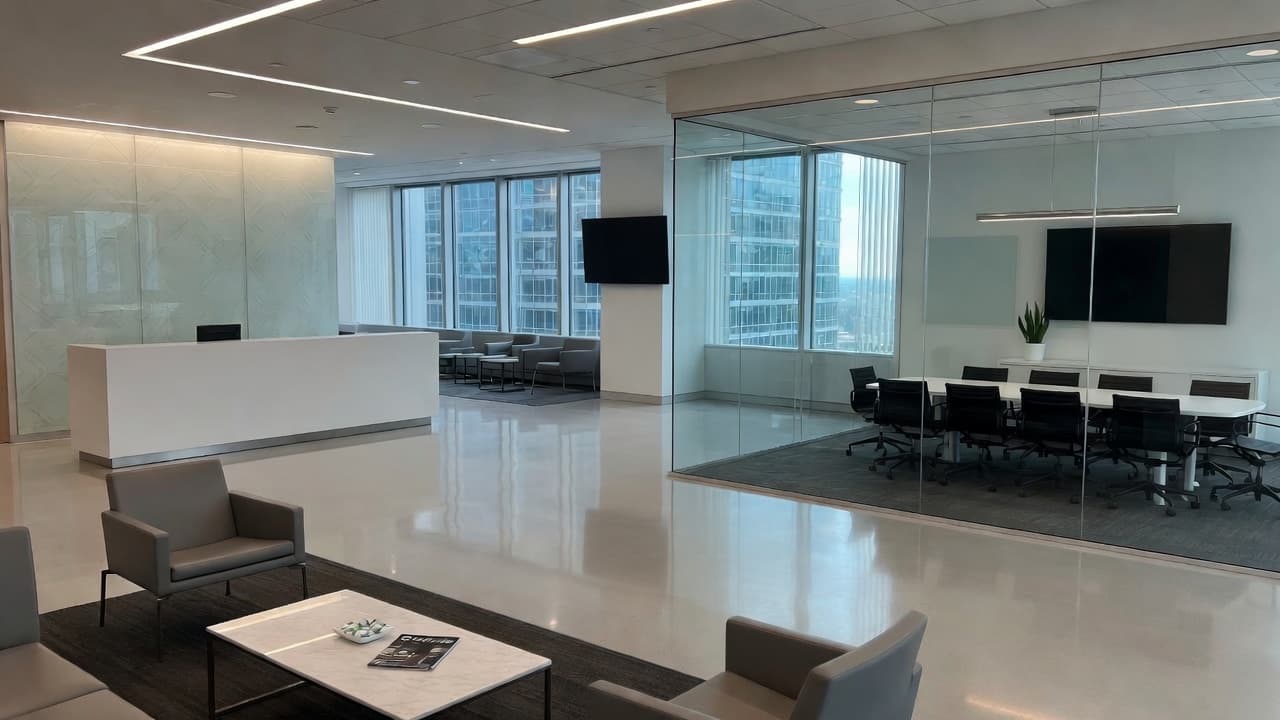
Self-Storage Facility Cleaning Services in Toronto & the GTA
Self-storage facility cleaning in Toronto is a smaller job than it looks and a more important one than most operators treat it. A storage building is mostly concrete corridors and roll-up doors, but its three busiest surfaces decide whether a customer signs, renews or leaves a review: the front office, the hallways and elevator, and the unit a new tenant opens for the first time. Pro City Maids provides commercial cleaning for self-storage sites across Toronto and the GTA, with scheduled hallway and office programs, vacated-unit turnovers and winter-salt routines built around how storage facilities actually run.
Quick answer
Need a cleaning program for a storage facility in the GTA?
No long lock-in contracts • Flexible schedules around 24/7 access • 647-691-6911
Who Needs Self-Storage Facility Cleaning
This guide is for self-storage owners and operators, on-site facility managers, property management companies that run several locations, and landlords converting an industrial or retail building into climate-controlled storage in Toronto, Mississauga, Vaughan, Markham, Brampton and the rest of the GTA. It covers multi-storey indoor facilities, single-storey drive-up buildings and mixed sites with a rental office, truck-rental counter and outdoor parking. If your building is a distribution centre rather than a storage rental business, our warehouse cleaning Toronto page is a closer fit.
Why Storage Facilities Clean Differently from Offices
A self-storage facility is staffed lightly, open long hours and rented by people who visit for ten minutes at a time. That changes the cleaning plan in four ways:
- The customer-facing area is small but decisive. One office, one corridor and one elevator carry nearly every first impression. A dusty counter or a stained hallway floor costs rentals, and it is cheap to prevent.
- Staff cannot clean while running the site. Many facilities have one or two people covering the counter, gate calls, auctions and move-ins. Industry maintenance guides still expect managers to sweep, mop, remove cobwebs and pick up litter themselves, which is the work that slips first on a busy day.
- Units are the product. A unit that still holds dust, pieces of tape or insect debris from the last tenant is a returned deposit waiting to happen. Turnover cleaning is a recurring, per-event job, not a one-time deep clean.
- Concrete, steel and winter traffic. Hallway floors are sealed or painted concrete, doors are galvanized steel and customers track in salt for five months of the year. Standard office products and vacuum-only routines do not suit those surfaces.
How Often Each Zone Should Be Cleaned
Frequency should follow traffic and customer visibility, not square footage. Maintenance guides for storage operators publish schedules that point the same direction: litter pickup on the grounds twice a day, hallways and common areas daily, parking areas weekly, pest-control contractor visits monthly or more often, and each empty unit cleaned after move-out. Here is how we translate that into a janitorial schedule:
| Zone | Each visit (daily at busy sites) | Weekly | Monthly or quarterly |
|---|---|---|---|
| Rental office & counter | Counter, card terminal, kiosk, glass, floors, bin | Brochure racks, chairs, baseboards | Carpet extraction, quarterly |
| Entrance & vestibule | Door glass, keypad, mats, entrance floor | Mat lifting and vacuuming underneath | Floor scrub and sealer check, quarterly |
| Hallways & corridors | Sweep, then damp or auto-scrub; remove tape, tags and litter | Edges, corners and door-bottom ledges | Door faces and tracks, quarterly; fixtures, monthly |
| Elevators, carts & dollies | Buttons, handrails, floor, door tracks; wipe cart handles | Wall panels and kick plates | Cart wheels and frames, monthly |
| Washrooms | Full clean, disinfection, restock | Floor drains and partitions | Vent grilles, monthly |
| Loading bay & parking | Litter and debris pickup; sweep bay | Parking and walkway sweep | Pressure rinse (seasonal) |
| Vacated units | Once per move-out, on a call-off or scheduled sweep | Not applicable | Long-vacant units re-checked monthly |
A small single-storey drive-up site with no elevator and a part-time office can often run on two or three visits a week. A multi-storey climate-controlled building with a full-time counter usually needs daily cleaning of the customer-facing zones. For how that compares with conventional offices, see our office cleaning frequency guide for Toronto and the GTA.
Vacated Unit Turnovers: Rent-Ready Without a Rebuild
Unit turnover is the cleaning job almost no general janitorial page mentions, and it is the one operators most often leave to a tired manager at the end of a shift. A good turnover clean is a short, repeatable scope, not a deep clean of a room:
- Confirm the unit is empty and the tenant account is closed; belongings left behind follow your abandonment policy, not our crew
- Sweep and vacuum the floor, corners and wall-to-floor edges, then remove cobwebs from the ceiling line
- Wipe interior walls, door track and the inside face of the roll-up or swing door
- Spot-treat stains and tape residue on the floor, and mop sealed concrete with a neutral cleaner
- Check for droppings, nesting material, damp patches or strong odours, and photograph and report them rather than cleaning over them
- Photograph the finished unit so the rental file shows its condition at hand-off
Industry maintenance guides also recommend treating the edges of the unit for pests at every move-out; that treatment belongs to your pest contractor or trained staff, and we schedule our turnover so the unit is clean before it is treated. Turnovers are quoted per unit or per visit, so a facility with a high move-out week pays for the work it needs.
Zone-by-Zone Cleaning Checklist
Rental Office & Counter
- Counter, kiosks, pens and chairs wiped; card terminals and keypads cleaned with an electronics-safe cloth
- Glass doors, display cases and entrance side-lights streak-free
- Floors vacuumed and mopped, mats cleaned, bins emptied and recycling separated
- Staff washroom and kitchenette cleaned and restocked
Hallways, Elevators & Common Areas
- Floors swept and damp or auto-scrubbed in sections, with wet-floor signs at each end
- Door ledges, tracks and handles wiped; stuck tape, labels and cardboard scraps removed
- Elevator buttons, handrails, floor and door tracks cleaned and disinfected
- Carts and dollies wiped at the handles, with loose packing material cleared from corridors
- Stairwells swept, with railings and landings cleaned
Washrooms & Staff Areas
- Toilets, urinals, sinks, mirrors and fixtures cleaned and disinfected
- Floors mopped, drains checked and cleared of surface debris
- Soap, paper towel and toilet paper restocked
- Odour sources such as bins and floor drains addressed, not masked
Exterior, Loading Bay & Parking
- Litter picked from the perimeter, entrance and gate lanes
- Loading bay swept and spills reported or cleaned immediately
- Entrance paving, ramps and walkways swept; salt residue removed in winter
Pests, Moisture and What Cleaning Can and Cannot Do
Storage buildings are quiet, full of cardboard and often unheated on one side, which makes them attractive to mice, spiders and insects. Pest control schedules published for storage operators run from monthly visits to one or two contractor visits per month, depending on location and risk. A cleaning company supports that program but does not replace it:
- What we do: remove cobwebs, insect nests and debris from corners, door tracks and light fixtures, sweep behind doors, keep dumpster areas and loading bays tidy, and photograph and report droppings, holes or gnawed packaging.
- What a pest contractor does: inspection, bait or trap placement, exclusion work such as sealing gaps, and treatment of unit edges where your policy requires it.
- What a manager decides: whether a unit with suspected pest activity is withheld from rent until it is cleared.
Moisture is the other quiet problem. Damp patches, condensation lines and musty odours in a hallway or unit usually point to a roof, wall or HVAC issue rather than a cleaning one. We flag what we see so a manager can send the right trade; we do not clean over active water damage or visible mould. For anything beyond surface cleaning, see our contract janitorial services.
Winter Salt, Slush and Loading Areas
Salt is the biggest seasonal change in a GTA storage facility. From December to March, customers and trucks track salt and slush into the entrance, elevator and ground-floor hallways, where it dries into a chalky film on concrete and a slippery layer on sealed or painted floors. The practical response is routine rather than dramatic: heavier entrance matting, an extra entrance and hallway mop pass each week, neutral floor products that do not leave their own residue, and a check that walk-off mats are flat and not curling into a trip hazard. Loading-bay floors get swept before they are mopped so grit is not dragged across the surface.
Pro tip from our commercial teams
Self-Storage Cleaning Across the GTA
Storage facilities in the GTA cluster in industrial belts near highways, where land is cheaper and truck access is easy, and in converted retail or office buildings closer to dense neighbourhoods. The cleaning scope changes with the building:
- Industrial-belt sites in Mississauga, Scarborough, Etobicoke and Vaughan are often single-storey drive-up buildings with a small office, so the scope is mostly office, washroom and exterior upkeep.
- Multi-storey climate-controlled buildings add elevators, stairwells, fire-door tracks and long corridors, where floor care and section-by-section scheduling matter most.
- Condo-dense areas such as downtown Toronto and Markham have a larger share of residential customers, so the office and elevator carry more of the first impression.
We also serve storage sites in Brampton and Richmond Hill, and for operators with several sites one account contact can coordinate all of them.
How Self-Storage Cleaning Is Priced
Self-storage cleaning is usually priced as a monthly program for the common areas plus a per-unit or per-visit rate for turnovers. The main drivers are:
- Visit frequency, from three times a week to daily.
- Corridor length and floor type, since sealed concrete, painted floors and tile are cleaned differently.
- Number of elevators, stairwells and washrooms.
- Turnover volume, quoted per unit or as a package for high move-out months.
- Winter add-ons, such as extra entrance passes between December and March.
Pro City Maids commercial cleaning quotes start from $280, with the exact monthly price built from a free walkthrough, not a flat rate card. For general market ranges on commercial cleaning, see our commercial cleaning cost guide for Toronto.
What to Ask Before Hiring a Cleaning Company
- Do you work around 24/7 access and gate logs? Look for a team that schedules from your actual traffic, not a fixed nightly slot.
- How are keys, gate codes and unit access handled? Pro City Maids signs credentials out to the assigned team, logs them and never duplicates them, and never enters an occupied unit.
- Are you insured, and can you give our landlord or lender proof? Our teams are vetted, bonded and covered by $2M+ commercial liability insurance, with WSIB coverage and proof of both on request.
- Do you coordinate with our pest contractor? Cleaning should be scheduled before treatment and report anything it finds.
- Are we locked in? Pro City Maids does not use long lock-in contracts, so scope can change as occupancy and seasons do. See our janitorial contracts guide for what a fair agreement looks like.
Frequently Asked Questions
How often should a self-storage facility in Toronto be cleaned?
Customer-facing areas (the office counter, entrance, hallways, elevators and washrooms) need a visit every business day at a busy site, and two or three times a week at a small or lightly used one. Drive-up exterior areas need litter pickup daily and sweeping weekly. Vacated units are cleaned once per move-out, and interior hallway doors and ledges follow a quarterly or monthly cycle. Pro City Maids sets frequency per zone during a free walkthrough instead of applying one flat schedule to the whole building.
Do you clean the units themselves between tenants?
Yes. A vacated-unit turnover covers removing small amounts of leftover debris, sweeping and vacuuming the floor, corners and ceiling edges, wiping the door track and interior walls, and spot-treating stains so the unit is rent-ready. We do not haul away tenant belongings, furniture or hazardous items; the operator's lien or abandonment process comes first, and junk removal is a separate service. We photograph the finished unit if you want a record for the rental file.
Can you clean around 24/7 access and keypad gates?
Yes. Many GTA storage sites allow customer access outside office hours, so we schedule visits in the quietest window your gate log shows and work in zones, finishing one hallway before opening the next. Wet floors get signs and are cleaned in sections, never across a whole corridor at once, so customers moving boxes at night are not walking on a slick floor.
Will cleaning get rid of mice or insects?
Cleaning reduces what pests want, mainly food, nesting material and moisture, but it does not replace a licensed pest-control contractor. We remove cobwebs, insect nests and debris from corners, door tracks and light fixtures, and we report holes, droppings, gnawed packaging or nesting material to the manager with photos. Treatment, bait and exclusion work stays with your pest-control provider, and we coordinate our visits with theirs.
What happens to wet floors and salt in winter?
Between December and March, road salt tracked in by customers and trucks turns concrete hallways chalky and leaves a slippery film on sealed floors. We add entrance and loading-area mopping, use floor-safe neutralizing products and keep walk-off mats from bunching. A winter schedule is usually one extra entrance and hallway pass per week compared with summer.
Do you clean the rental office and truck-rental counter?
Yes. The front office is the only part of most storage facilities that tenants actually judge the business by, so counters, kiosks, pens, card terminals, chairs, glass doors, floors and the staff washroom are cleaned on every visit. Card readers and keypads are wiped with an electronics-safe cloth rather than sprayed.
Do you serve storage facilities outside Toronto?
Yes. Pro City Maids provides commercial cleaning across Toronto, Mississauga, Brampton, Vaughan, Markham, Richmond Hill and the wider GTA, and one account contact can cover several locations if an operator runs more than one site. Storage facilities in the industrial belts of Scarborough, Etobicoke, Concord and Mississauga are common service areas.
Are you insured to work in a storage facility?
Our teams are vetted, bonded and covered by $2M+ commercial liability insurance, and we hold WSIB coverage. We provide proof of insurance and the WSIB clearance certificate on request, which operators and property managers often need before any contractor starts work.